NEWS
The World Health Organization (WHO) has updated its patient care guidelines
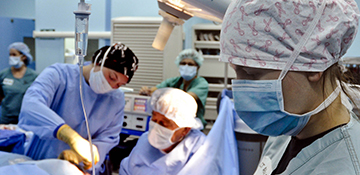
The World Health Organization (WHO) has updated its patient care guidelines to include interleukin-6 receptor blockers, a class of medicines that are lifesaving in patients who are severely or critically ill with COVID-19, especially when administered alongside corticosteroids.
These were the findings from a prospective and a living network meta-analysis initiated by WHO, the largest such analysis on the drugs to date. Data from over 10 000 patients enrolled in 27 clinical trials were considered. READ MORE
Source:https://www.who.int/news

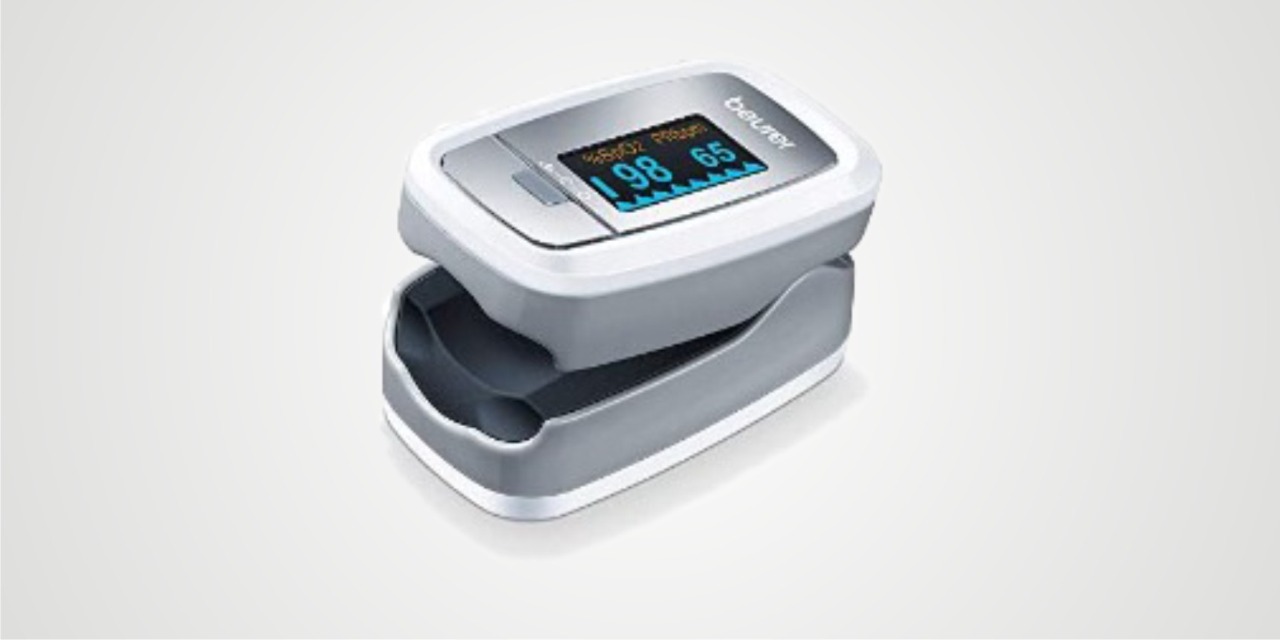
Using pulse oximeter to monitor patients with Covid-19 at home.
Patients suspected with non- severe coronavirus disease being discharged to their home from hospitals. They will be provided with a portable pulse oximeter that measures their own oxygen level while sitting at home. Patients will get education and training for the proper use of oximeters from healthcare staff or telehealth staff,which includes the positioning of the oximeter on the finger and the interpretation of pulse rate. They are instructed to check their oxygen saturation level three times a day and record these findings.Patients will be called once in a day by the healthcare staff to collect the real time data.
How much physical activity is recommended at home?
- Infants under the age of 1 year need to be physically active several times a day.
- Children under 5 years need 180 minutes of physical activity per day
- Children and adolescents aged 5-17years need at least 60 minutes a day, 3 days per week. This should include moderate to high-intensity physical activity.
- Adults above18 years should get 150 minutes of moderate physical activity per week or 75 minutes of vigorous physical activity per
- Elders with poor mobility should do physical activity to enhance balance and prevent falls three or more days per week. READ MORE
Source: https://www.dha.gov.ae/en/Covid19/